
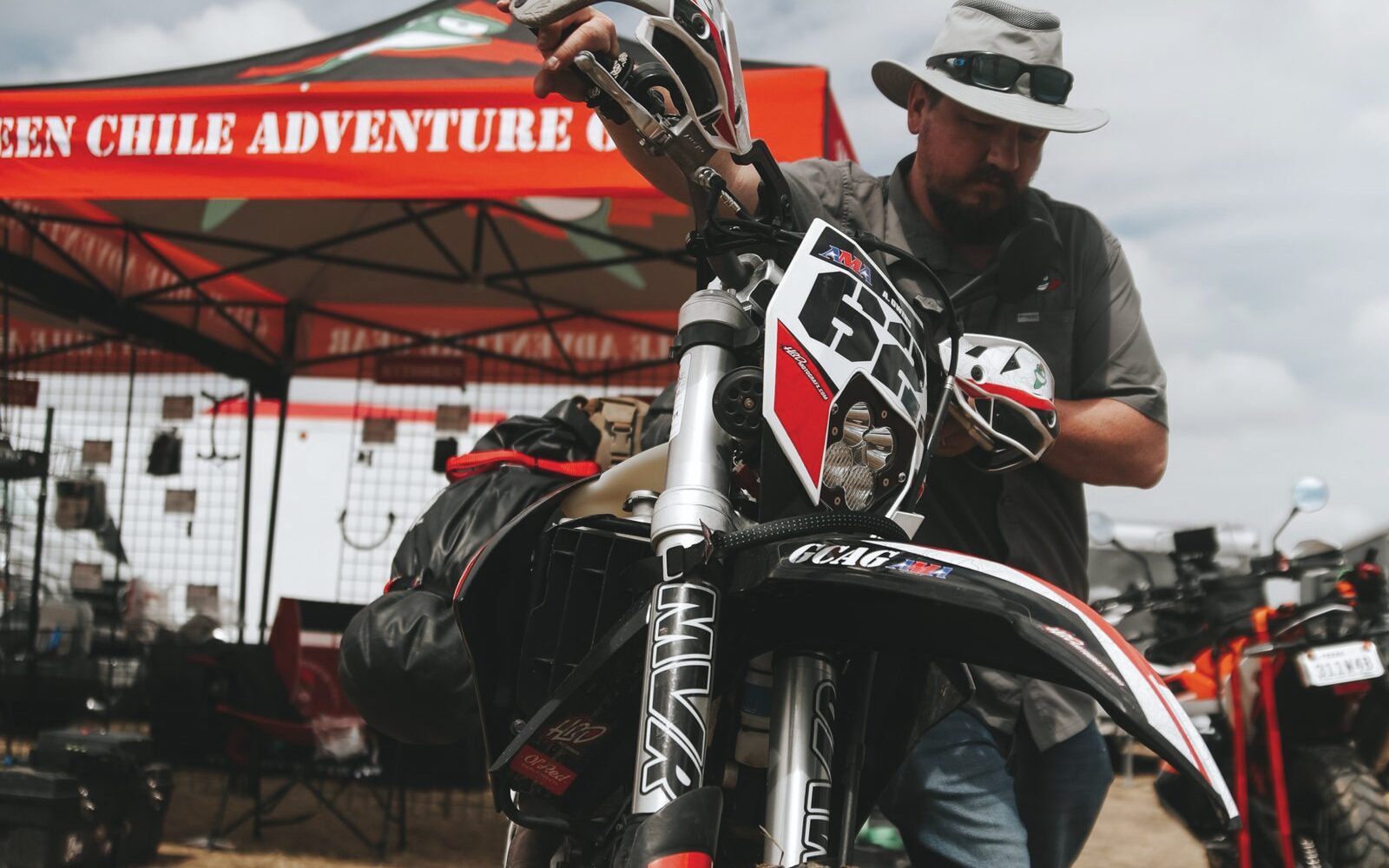
To build a short-form video system for a motorcycle brand, plan a shot list before each shoot, capture once and cut a native vertical edit for every platform, lead each clip with a fast hook built for watch-through, work from a few repeatable formats on a steady cadence, and promote your organic winners into paid creative. A system turns scattered posting into a repeatable engine.
Building a system like this is what OBC’s content and social team does for powersports brands week to week.
Key takeaways
- Plan the shot list before the shoot so one session feeds weeks of clips.
- Shoot once, then cut a native vertical edit for each platform.
- The first second decides everything, so lead with a hook built for watch-through.
- Work from a handful of repeatable formats so you never invent each post from scratch.
- Promote your organic winners into paid creative so you stop guessing at ads.
What is a short-form video system?
A short-form video system is the repeatable workflow a brand uses to plan, capture, cut, publish, and recycle vertical video, so output does not depend on anyone feeling inspired on a Tuesday. You plan a shot list, run it into one shoot, cut native edits per platform, and feed the winners into paid. It is the production engine beneath our social media management pillar, and it is what separates a brand that posts like a media company from one that posts like a catalog.
How do you plan a shoot so one session feeds weeks?
The shot list is the whole difference between a day of riding and a month of content. Before you leave for the ride, the dyno, or the install bay, write down the specific shots each planned clip needs: the hero rolling shot, the detail of the part, the hands doing the work, the reaction. Capture clean coverage of each: a wide, a tight, and a motion pass. Motorcycle content has a built-in advantage because the product moves, sounds, and throws dirt, but that only helps if you actually filmed the sound and the movement. One shaky clip you now have to stretch wastes the advantage.
- List the three to five clips you want to come out of the session before you shoot anything.
- For each clip, capture a wide, a tight, and a motion shot so the edit has options.
- Film vertical, or frame wide enough that a vertical crop still works, and get clean audio of the bike.
- Grab extra B-roll like the start-up, the pull of the strap, and the dirt flying, because filler saves edits later.
- Dump everything into one labeled folder the same day so nothing gets lost between the ride and the edit.
How do you shoot once and cut for each platform?
The cardinal rule is shoot once, cut many, and never cross-post the identical file. Each platform rewards native vertical video and its own pacing, so one shoot should produce several distinct edits. Never blast one clip everywhere with a leftover watermark. Trim the cut, swap the hook, and match each platform’s native format. The official creator guidance from YouTube Help and TikTok for Business both reward consistency and watch-through over polish, which is exactly why a lightweight repeatable cut beats an over-produced one-off.
| Platform | Cut it for | What to change |
|---|---|---|
| Instagram Reels | Core community, product and rider content | Tighter edit, on-brand captions, trending-but-relevant audio |
| TikTok | Discovery and reaching new riders | Faster hook, looser edit, native text and sounds |
| YouTube Shorts | Search and long-tail how-to discovery | Keyword-aware caption, clear payoff, title that reads as a search |
| Older buyers, groups and events | Lead with context, keep it readable with sound off |
You do not need four completely different films. You need one strong edit and three quick variations. Keep the raw footage so you can re-cut a winner months later when it is still your best-performing asset.
Why does the hook decide everything?
Short-form platforms decide how far to push a clip largely on whether people keep watching, so the opening moment carries more weight than the rest of the video combined. If the first second does not earn the second second, nothing else you shot matters. For a motorcycle brand the hook is usually the most dramatic physical thing you captured, such as the launch, the sound, the dirt, or the before-and-after, placed first and never saved for a reveal at the end. The audience research published on Think with Google and the platform updates on the official YouTube Blog consistently point the same direction: watch-through and retention are what move a clip, and production budget barely matters.
- Open on motion: start mid-action, never with a logo or a slow pan.
- Promise a payoff: tell the viewer what they will see, whether the result, the install, or the difference, in the first line.
- Design for the loop: end so the last frame flows into the first and the clip replays.
- Sound on, sound off: the bike’s audio sells it, but captions carry the clip when people scroll muted.
What formats should you build templates around?
Repeatable formats are what lower the effort per post and keep a feed consistent without burning out. Stop inventing a video from scratch every time. You build a few templates, each a fixed edit structure you can drop new footage into, and run them again and again. For a powersports brand, a handful carry most of the weight: install clips that show a part going on the bike and the before-and-after, rider spotlights that put a face and a story to your product, and “how it’s made” clips that take the audience behind the scenes of production or prep. Each is a template you reuse, and you build it once. This is the same pipeline as your content production, since social and content are one team.
Rotate through formats so the feed has variety while each individual clip stays cheap to produce. Add seasonal angles like race-day footage, new-model prep, and winter builds, and slot them into the same templates so you never reinvent the edit.
What cadence actually holds up over a season?
Pick a cadence you can sustain from batched shoots week after week, well past any single motivated burst. For most motorcycle brands that means a few short videos a week, captured in sessions and edited from templates, so a single ride or install day backs multiple posts. A steady rhythm beats a burst followed by silence every time, because the platforms and your audience both reward showing up predictably. Anchor the calendar to real reasons to post: launches, races, builds, and seasonal moments. The full planning side lives in our powersports social content calendar, which pairs the production system here with a season-long schedule, and both roll up into OBC’s social media services.
How do you turn winners into paid creative?
Your organic feed is a free creative-testing lab. When a clip over-performs organically, with more saves, shares, and watch-through than the rest, that is your signal it will work as an ad, because the audience already told you it holds attention. Take the proven clip, trim it tighter, add a clear call to action, and run it through your paid ads. Skip commissioning new ad creative on a hunch. Tie the ad back to the store with tagged links and codes so you can see which clips actually sell, then feed that learning back into the next shoot’s shot list. Organic and paid are one loop, one program.
Platform formats and features change often, so treat the official creator resources as the source of truth for current specs.
Related reading
- Pillar: Social media management for powersports brands
- A powersports social content calendar that runs all season
- OBC content production
- OBC paid ads
- All resources
Frequently asked questions
How long should a short-form motorcycle video be?
Long enough to deliver the payoff and no longer. Most winning powersports clips are short and tight, because a motorcycle moving, sounding, and working sells itself fast. Cut anything that does not earn its place, and if a clip has more story, make it a slightly longer edit for YouTube and keep the vertical cut tight.
Do I need expensive gear to run this system?
No. A recent phone, stable footage, clean audio of the bike, and a tight edit outperform expensive gear used without a plan. The product moving in the real world is the asset. The system of shot list, templates, and cadence matters far more than the camera.
How many formats should I start with?
Start with two or three you can repeat easily, such as install clips and rider spotlights, then add a third like “how it’s made” once those are running. A few formats you execute well beat a long list you cannot sustain, and reusing templates is what keeps the effort per post low.
How do I know which clip to turn into an ad?
Let organic performance pick it for you. The clip that earns the most saves, shares, and watch-through is the one that already proved it holds attention, so that is your ad creative. Trim it, add a clear call to action, run it as paid, and track it back to sales with tagged links and codes.
By Brooks Tomblin, Ormond Brand Consulting. Marketing & business consulting for motorsports and outdoors businesses.
Last updated: November 2026
